White papers
Stay up to date on the latest topics and gain industry insights from HMS' experts through our white papers, providing valuable knowledge and analysis.
How Anybus CompactCom B40 helped a remote I/O manufacturer create a scalable multi-network platform for smart welding applications
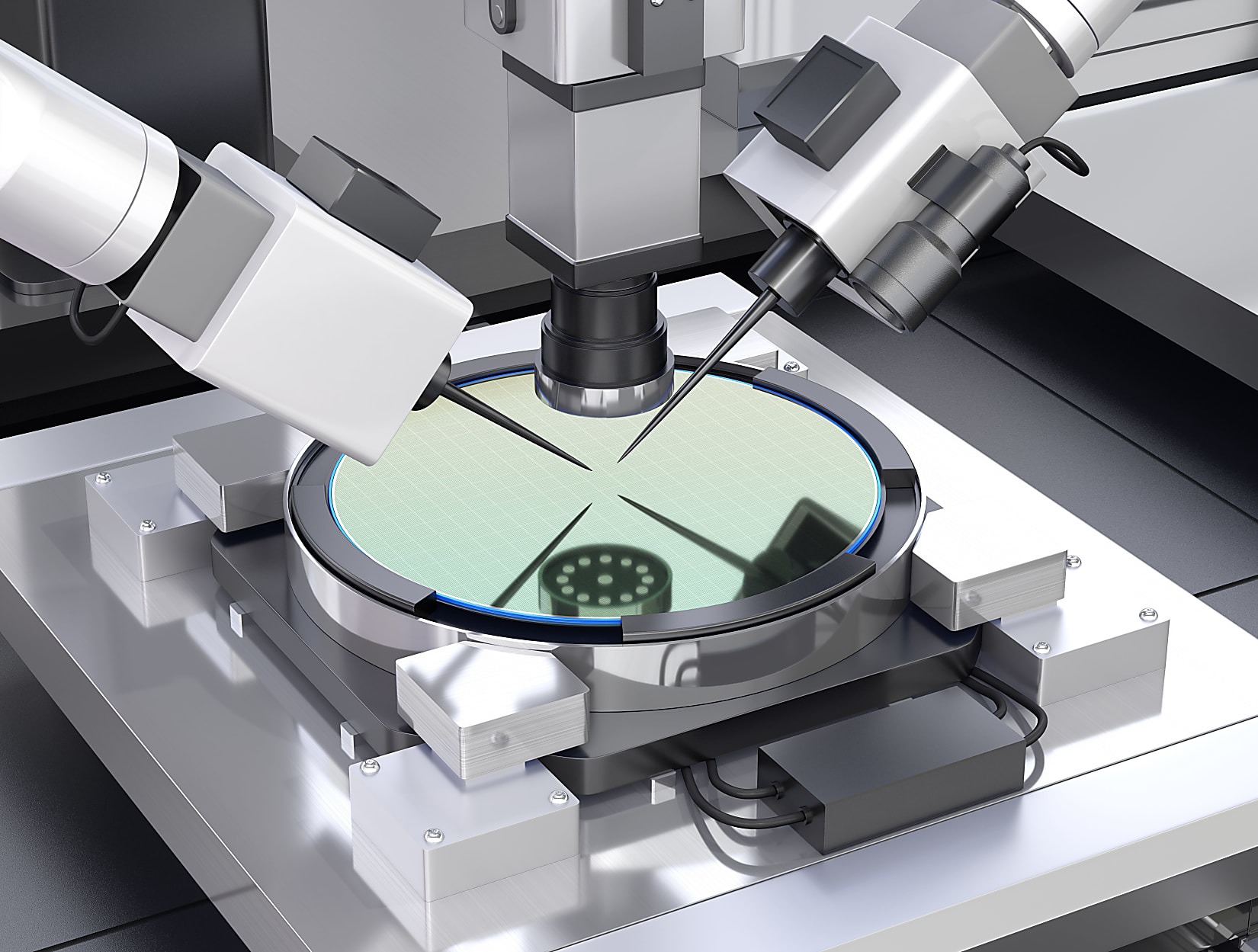
A manufacturer of industrial remote I/O solutions needed to support multiple industrial networks while ensuring fast, reliable communication in robotic welding applications. By integrating the Anybus CompactCom B40 communication interface, the company simplified industrial networking, shortened development time, and established a scalable platform for future products.
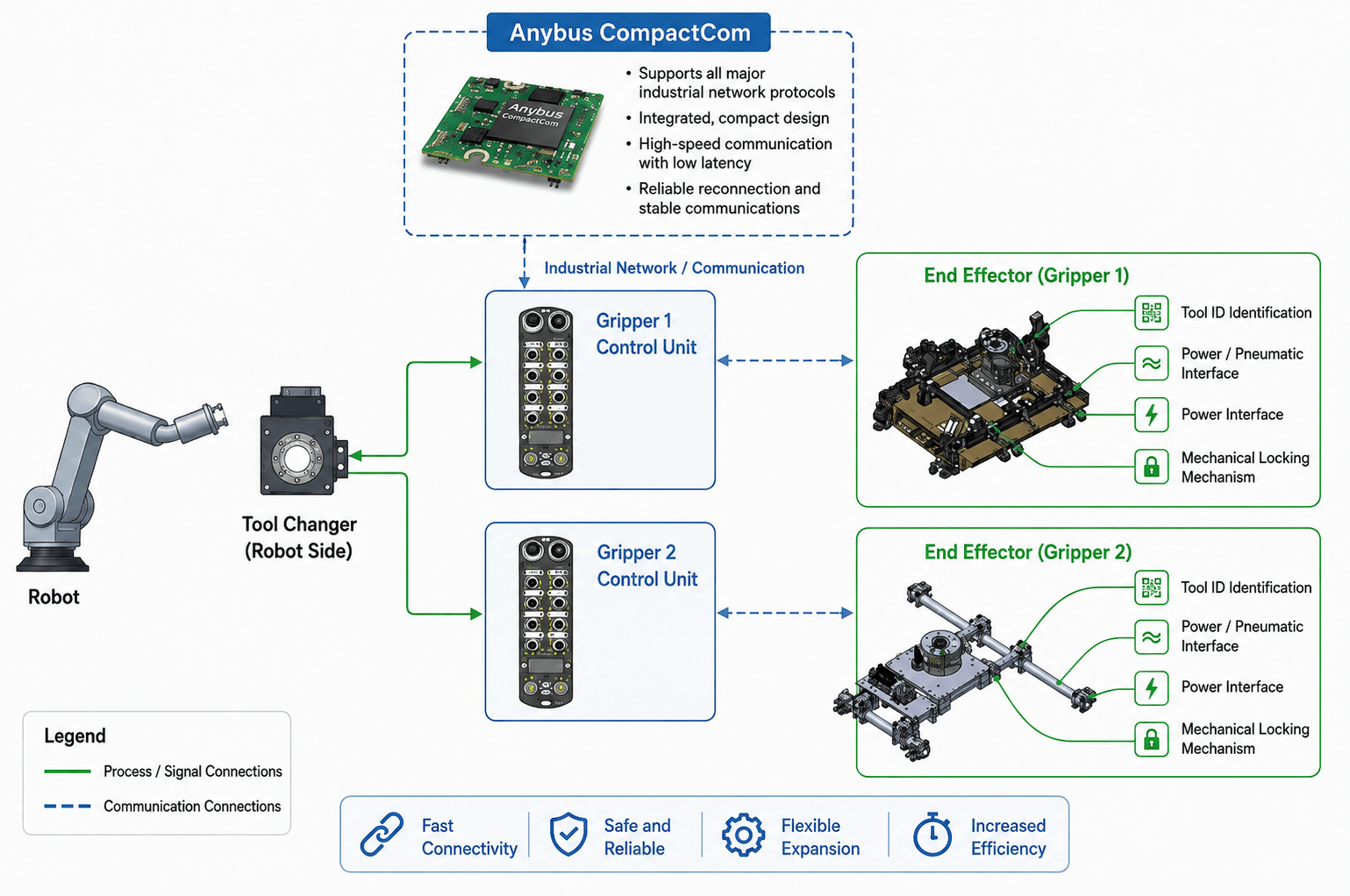
Figure 1. Illustration based on HMS product information and enhanced using AI-generated visual elements.
Modern automotive welding lines increasingly rely on flexible production. Robots frequently switch between welding guns, grippers, and other end-of-arm tooling to support different vehicle models and production requirements.
In these applications, remote I/O modules mounted on the robot tool side play a critical role by:
However, every tool change briefly interrupts power and network communications. The system must rapidly restore
communications, rebuild connections, and synchronize data, typically within 500 ms, to avoid alarms, reduced throughput, or production downtime.
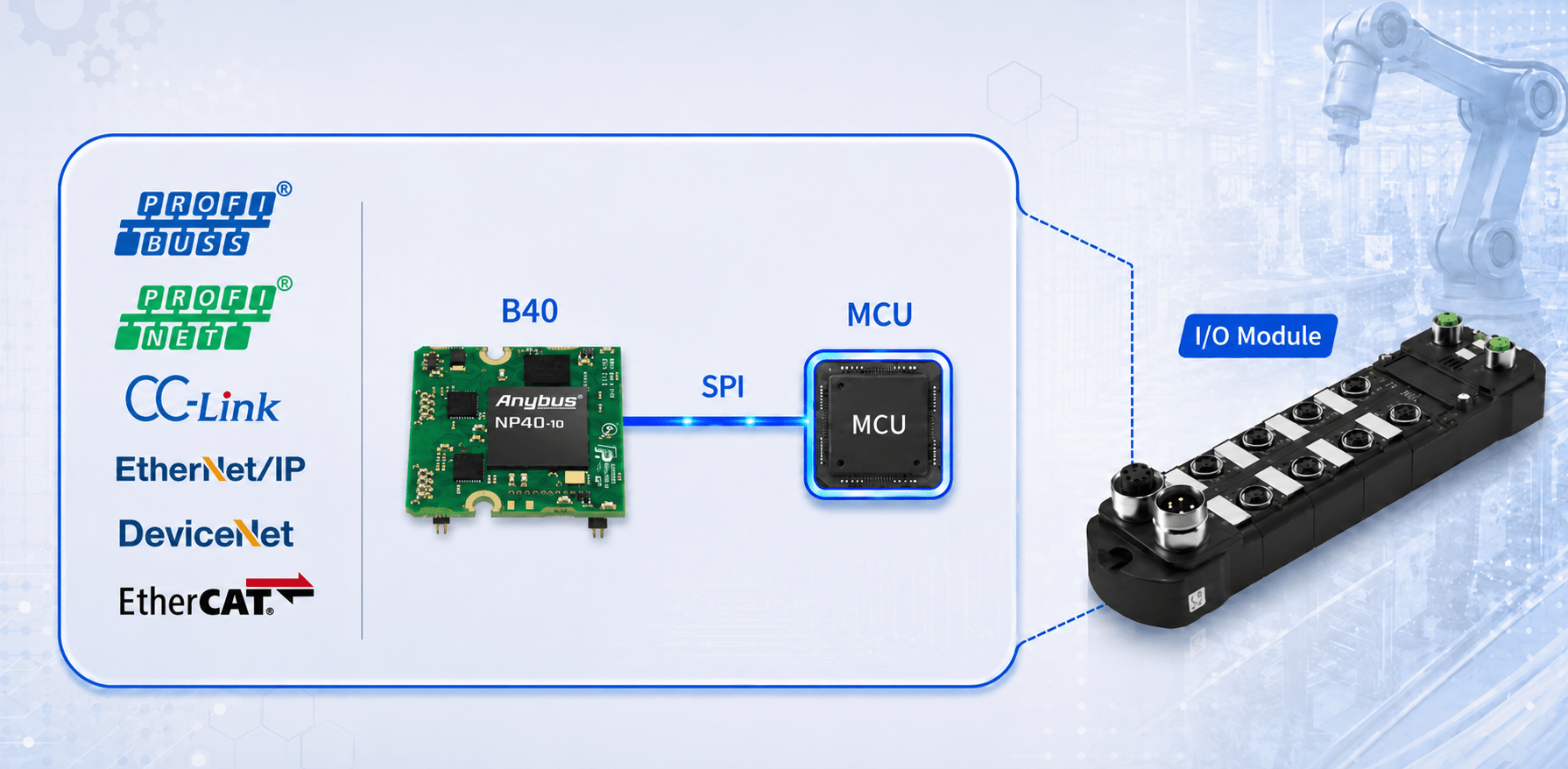
Figure 2. Illustration based on HMS product information and enhanced using AI-generated visual elements.
The communication challenge
For the remote I/O manufacturer, supporting multiple industrial networks was placing increasing demands on the engineering team.
Supporting multiple industrial protocols required significant engineering effort for protocol development, testing, certification, and ongoing maintenance. At the same time, different customer requirements created multiple product variants, increasing SKU complexity and extending development cycles.
The company needed a way to simplify networking while maintaining compatibility with major industrial protocols including PROFINET, EtherNet/IP, EtherCAT, CC-Link, DeviceNet, and PROFIBUS.
To address these challenges, the company selected the Anybus CompactCom B40 communication interface as the
networking foundation for its next-generation remote I/O platform.
The Anybus CompactCom B40 separates industrial networking from application development. It handles the
industrial network implementation, allowing the customer's
controller to focus on the application itself. This allows engineering teams to concentrate on developing core product capabilities rather than implementing and maintaining industrial networking protocols.
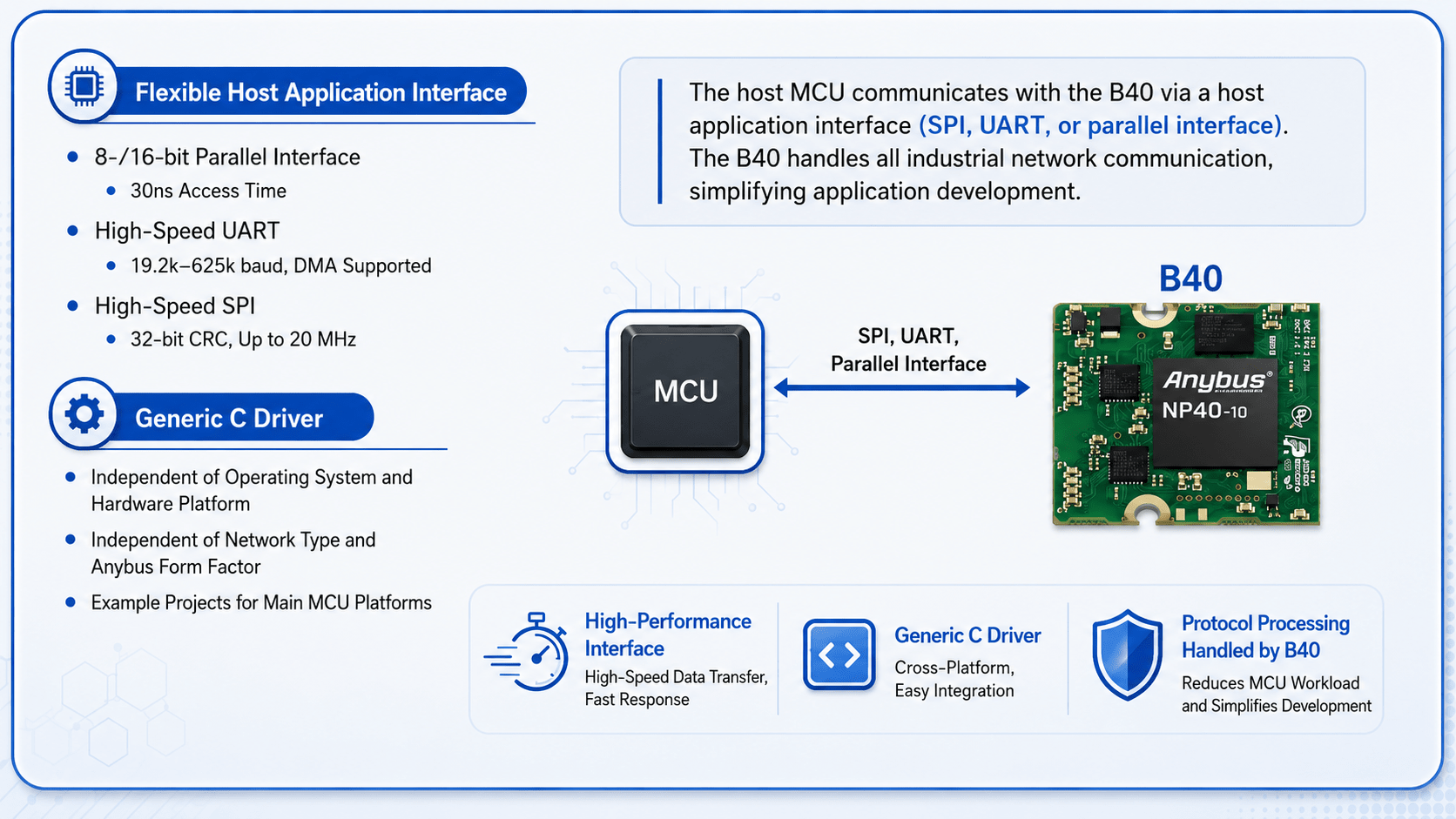
Figure 3. Illustration based on HMS product information and enhanced using AI-generated visual elements.
After adopting the Anybus CompactCom B40 solution, the manufacturer achieved significant benefits throughout the
product lifecycle.
As communication capabilities become increasingly important in modern manufacturing, remote I/O manufacturers need solutions that simplify connectivity and reduce development effort. By adopting Anybus CompactCom B40, manufacturers can support multiple industrial networks, accelerate product development, and build scalable platforms for future products.
Country: China
Solution: Embedded industrial communication
Industries: Automotivemanufacturing
Products: Anybus CompactCom 40 Brick
Stay up to date on the latest topics and gain industry insights from HMS' experts through our white papers, providing valuable knowledge and analysis.

Our products solve everyday industrial communication problems. Discover how our customers have improved their business with HMS case studies.
HMS communication solutions help thousands of companies solve specific communication problems in many different industries and applications.